Subscribe to Updates

    Get the latest creative news from FooBar about art, design and business.

    What's Hot

    3 Tips and Tricks for Learning to Play with Tracks and In-Ears

    January 23, 2023

    JET Pedals Releases The Red Sea

    November 13, 2022

    Gretsch G5622T Electromatic Center Block Double-Cut Electric Guitar Review

    February 8, 2022
    Facebook Twitter Instagram
    • Our Story
    • Stay in the Loop
    • Write for Us
    • Advertise
    • Contact Us
    Facebook Instagram YouTube
    • Latest News
    • News
    • Gear
      1. Electric Guitar
      2. Acoustic Guitar
      3. Bass Guitars
      4. Guitar Amps
      5. Effects Pedals
      6. Parts & Accessories
      7. Downloads
      8. Manufacturer Interviews
      9. View All

      Gretsch G5622T Electromatic Center Block Double-Cut Electric Guitar Review

      February 8, 2022

      Choosing an Electric Guitar for Worship

      July 17, 2021

      Gretsch G6609TFM Players Edition Broadkaster Centerblock Electric Guitar Review

      September 9, 2020

      Eastman SB56/N-GD Gold Top Electric Guitar w/ Lollar P90’s Review

      August 12, 2019

      Martin Authentic Lifespan 2.0 Acoustic Guitar Strings Review

      January 9, 2021

      Martin D-28 (2017) Re-imagined Standard Series Acoustic Guitar Review

      March 15, 2019

      Martin Guitar to Debut Three New X Series Dreadnought Guitars, Along with New Premium Classical and Ukulele Strings at Winter NAMM 2018

      January 22, 2019

      Martin Guitar to Debut Three New Authentic Series Models, a New FSC®-Certified Acoustic-Electric Model, and Several Limited Edition Models at Winter NAMM 2018

      January 18, 2019

      Fishman Expands Fluence Line with Multi-Voice Bass Pickups

      January 10, 2019

      Lollar Announces Release of ’70s J-Bass Pickup Set

      January 9, 2019

      One Control Launches the Blue 360 Bass Preamp

      December 19, 2018

      Mesa/Boogie Introduces the Subway WD-800, Subway Ultra-Lite Cabinets, and Subway Preamp

      December 7, 2018

      Vox Unveils the VX50 GTV and VX15 GT

      January 15, 2019

      Fishman Launches the Loudbox Mini

      January 10, 2019

      Blackstar Announces the Studio10 Series

      January 10, 2019

      Orange Amplification Unveils the Pedal Baby 100

      January 10, 2019

      JET Pedals Releases The Red Sea

      November 13, 2022

      Staff Pick: RJM Music Mastermind PBC

      August 9, 2021

      Temple Audio Duo 24 Pedalboard Review

      August 16, 2019

      Cusack Screamer Fuzz Germanium Limited Edition Effects Pedal Review

      August 14, 2019

      Martin Authentic Lifespan 2.0 Acoustic Guitar Strings Review

      January 9, 2021

      Temple Audio Duo 24 Pedalboard Review

      August 16, 2019

      Martin Guitar to Debut Three New X Series Dreadnought Guitars, Along with New Premium Classical and Ukulele Strings at Winter NAMM 2018

      January 22, 2019

      ENKI Updates the AMG-2 Series

      January 14, 2019

      Abel Mendoza’s Worship Guitar Essentials Virtual Guitar Rig Review

      August 31, 2015

      3 Must Have Eventide ModFactor Presets for Worship

      June 4, 2015

      3 Must Have Eventide Timefactor Presets

      May 11, 2015

      Manufacturer Spotlight Interview with Barefoot Buttons

      April 2, 2018

      Manufacturer Spotlight: Analog Endeavors

      October 18, 2017

      The Jackson Audio Prism Boost/Overdrive Pedal is Here

      December 2, 2016

      Manufacturer Spotlight: Noble Amplifier Company

      July 26, 2016

      JET Pedals Releases The Red Sea

      November 13, 2022

      Gretsch G5622T Electromatic Center Block Double-Cut Electric Guitar Review

      February 8, 2022

      Staff Pick: RJM Music Mastermind PBC

      August 9, 2021

      Choosing an Electric Guitar for Worship

      July 17, 2021
    • Media
      1. Downloads
      2. Photos
      3. Videos
      4. Worship Rig of the Week
      5. View All

      Abel Mendoza’s Worship Guitar Essentials Virtual Guitar Rig Review

      August 31, 2015

      3 Must Have Eventide ModFactor Presets for Worship

      June 4, 2015

      3 Must Have Eventide Timefactor Presets

      May 11, 2015

      Jeffrey Kunde’s Live Pedalboard & Rig Setup

      February 24, 2015

      Rattle! - Elevation’s Viral Easter Release is a Must Listen

      April 16, 2020

      Rig Rundown with Micheal Pope of Bethel Music - Video

      May 18, 2017

      Planetshakers Releases “River” Official Video on YouTube

      September 27, 2016

      First Look: Elevation Worship’s Live Recording The King is Among Us

      October 24, 2014

      Rattle! - Elevation’s Viral Easter Release is a Must Listen

      April 16, 2020

      Rig Rundown with Micheal Pope of Bethel Music - Video

      May 18, 2017

      Children of Light Album Review

      May 16, 2017

      Planetshakers Releases “River” Official Video on YouTube

      September 27, 2016
    • Music
      1. Album of the Week
      2. Album Reviews
      Featured
      Album Reviews

      Rattle! - Elevation’s Viral Easter Release is a Must Listen

      Aaron LehmanApril 16, 2020
      Recent

      Rattle! - Elevation’s Viral Easter Release is a Must Listen

      April 16, 2020

      Children of Light Album Review

      May 16, 2017

      Elevation Worship Live Q&A for There is A Cloud Album Release

      March 17, 2017
    • Interviews
      1. Manufacturer Spotlight
      2. Retailer Spotlight
      Featured
      Effects Pedals

      Manufacturer Spotlight Interview with Barefoot Buttons

      Daniel MutterApril 2, 2018
      Recent

      Manufacturer Spotlight Interview with Barefoot Buttons

      April 2, 2018

      Manufacturer Spotlight: Analog Endeavors

      October 18, 2017

      Rig Rundown with Micheal Pope of Bethel Music - Video

      May 18, 2017
    • Resources
      1. Stage Design and Lighting
      2. Devotionals
      3. Verse of the Week
      4. For Worship Leaders
      5. For Sound Guys
      6. View All

      5 Affordable Stage Design Elements

      June 2, 2017

      Easter - Embracing the Stress

      March 9, 2018

      Bridging the Gap (Between Traditional and Modern)

      June 14, 2017

      The Tension Between Art and Worship

      June 7, 2017

      What I Have Learned and Am Still Learning About the Worship Wars

      December 28, 2016

      Jeremiah 7:2

      April 25, 2016

      Psalm 100:2

      April 18, 2016

      John 4:23

      November 16, 2015

      Isaiah 25:1

      October 23, 2015

      3 Tips and Tricks for Learning to Play with Tracks and In-Ears

      January 23, 2023

      Choosing an Electric Guitar for Worship

      July 17, 2021

      Easter - Embracing the Stress

      March 9, 2018

      3 Ways To Engage the Congregation

      January 19, 2018

      3 Tips and Tricks for Learning to Play with Tracks and In-Ears

      January 23, 2023

      Easter - Embracing the Stress

      March 9, 2018

      Getting Team Buy-In From Your Worship Band Members

      January 12, 2018

      The 1 Piece of Gear You Should Not Overlook – The SGI Box

      September 5, 2017

      3 Tips and Tricks for Learning to Play with Tracks and In-Ears

      January 23, 2023

      Choosing an Electric Guitar for Worship

      July 17, 2021

      Rattle! - Guitar Chord Chart

      April 17, 2020

      Korg Launches the Rimpitch C2 Tuner and MA-2 Metronome

      September 12, 2018
    • Connect
      • Stay in the Loop
      • Our Story
      • Contact Us
      • Advertise
      • Write for Us
    Home » Latest Posts Page » How to Solder Cables
    Gear

    How to Solder Cables

    By Daniel MutterMay 3, 2018No Comments7 Mins Read
    Facebook Twitter Pinterest LinkedIn Tumblr Email
    Share
    Facebook Twitter LinkedIn Pinterest Email

    Soldering is a skill that can save a guitarist a lot of money. With just a simple soldering iron I have been able to swap pickups, change out pots and switches, and make my own patch cables. Each one of those things used to mean a trip to my local guitar store that would cost me money. In this article I’m going to walk you through what I do to make patch cables. This is a great way to save money as you can buy high end cabling and really solid plugs for a fraction of the cost of pre-made cables or solder less patch cable kits (let me be clear that I’m not bashing pre-made cables or solder less kits, I just want to show you ways to learn new skills and save money and you get to decide what you want to do).

    For the purpose of this article I am using some Mogami 2319 cable and pancake plugs, but you can use whatever type of cable and plugs you like. I’m also using a standard-duty Weller soldering iron, a quite affordable model from my local hardware store. Here is a picture of everything I use for making cables, much of this being very low cost or even things I already had at home.

    Basic soldering tool list:

    • Soldering Iron (I prefer to use flat tips on mine)
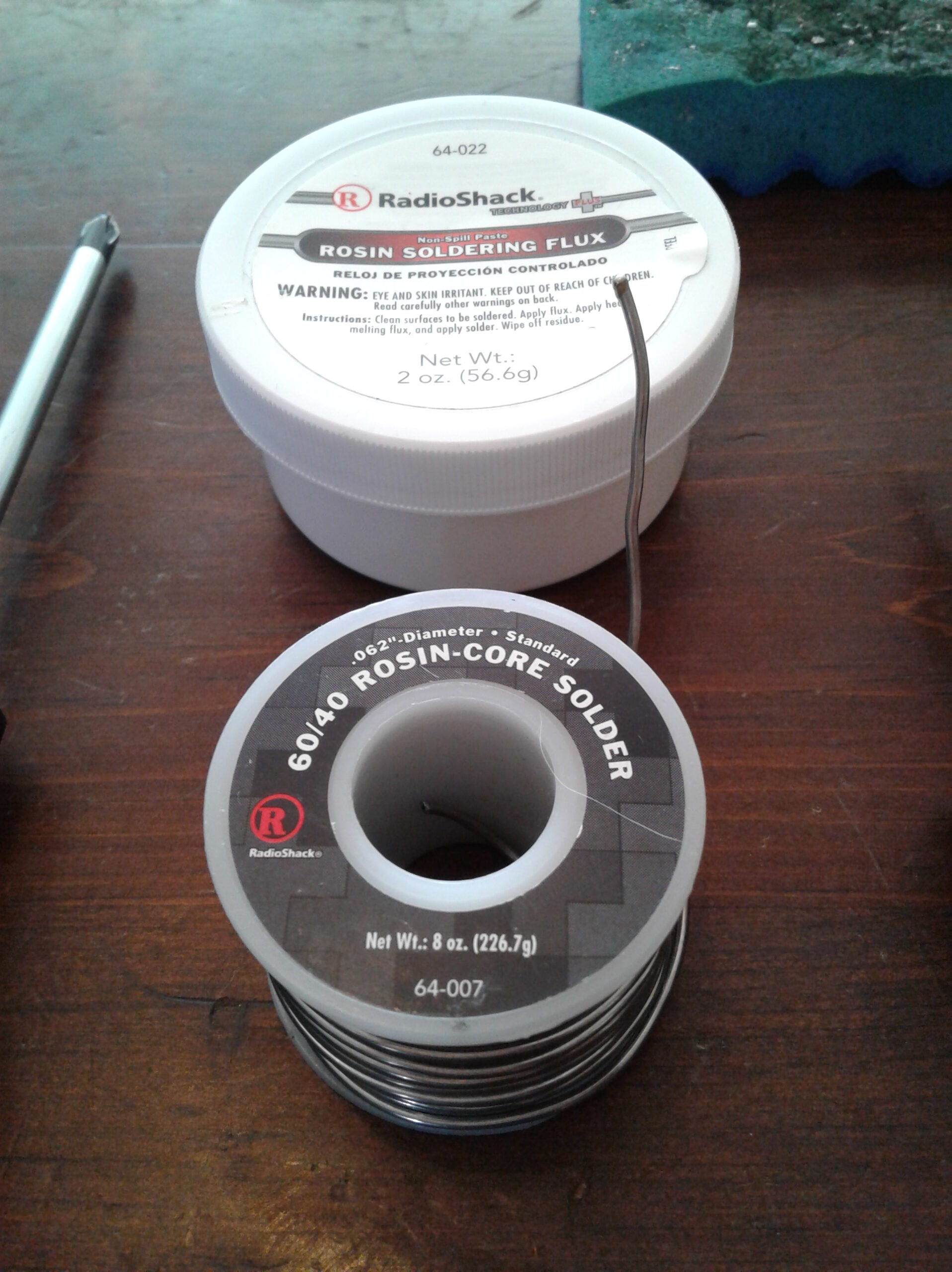
    • Solder (I use 60/40 Rosin-Core)
    • Rosin Soldering Flux
    • Wire cutters/strippers
    • Damp Sponge or Tip Cleaning Wire (for cleaning soldering iron)
    • Cable of choice
    • Plug of choice
    • Screw driver(s) for opening up pancake plug covers
    • Heat Shrink (optional and totally a preference thing. Most of the time I prefer to use it to help protect my cable)

    The Prep Work

    Once you have all your tools gathered it’s time to prep for soldering. In itself soldering is a quick procedure so I recommend getting everything ready to go up front. Plug in that soldering iron and let it warm up while you do these things.

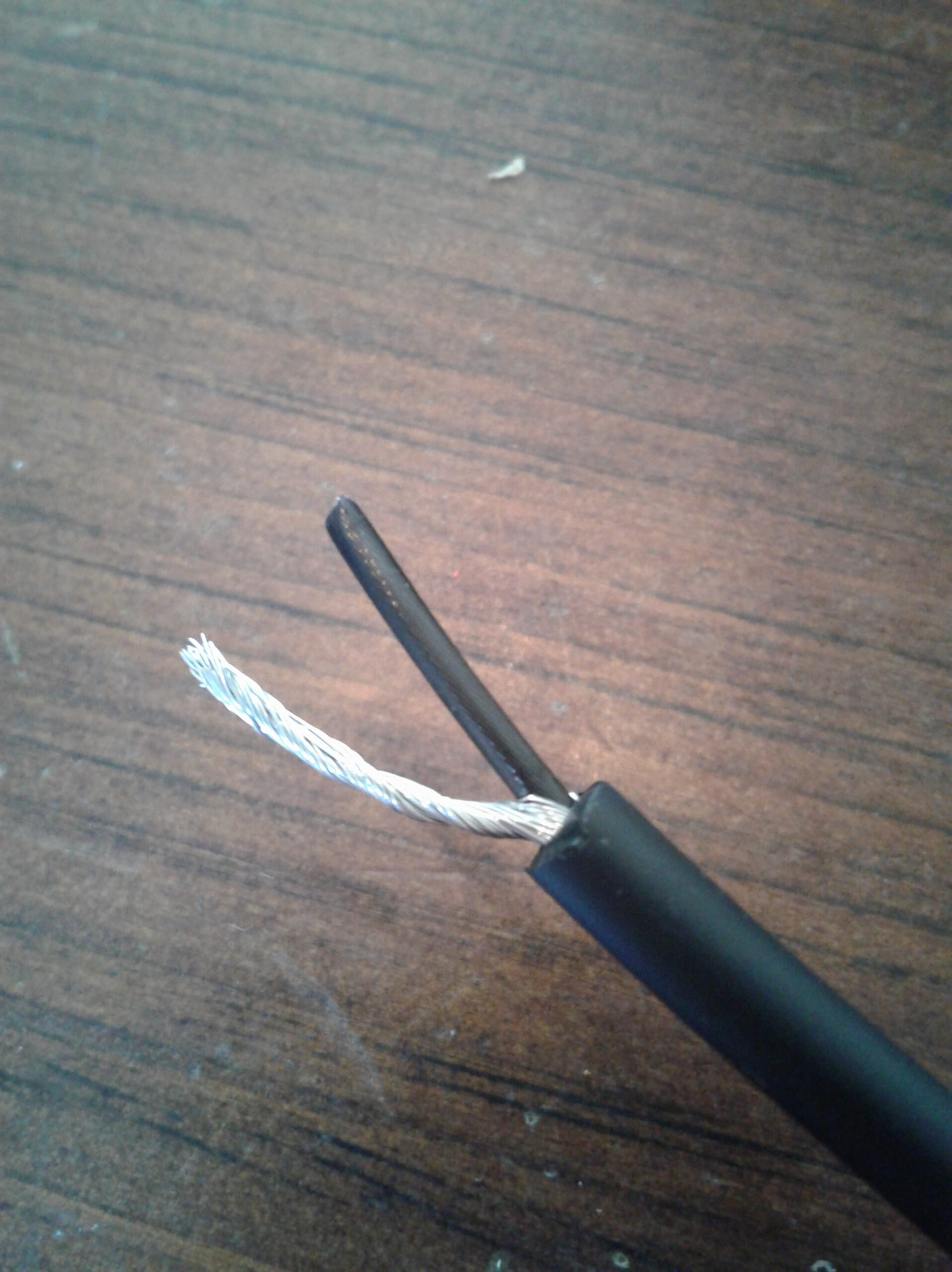
    First I like to prepare the cable itself. Grab your wire strippers and carefully strip back the outside layer of rubber from the cable. You want to try to do this without damaging the wires at all. I typically line up the cable against my plug to determine how much I need to strip back. The outer wire that is exposed will be the ground wire. Pull all the ground wire to one side and twist it into one thick strand.
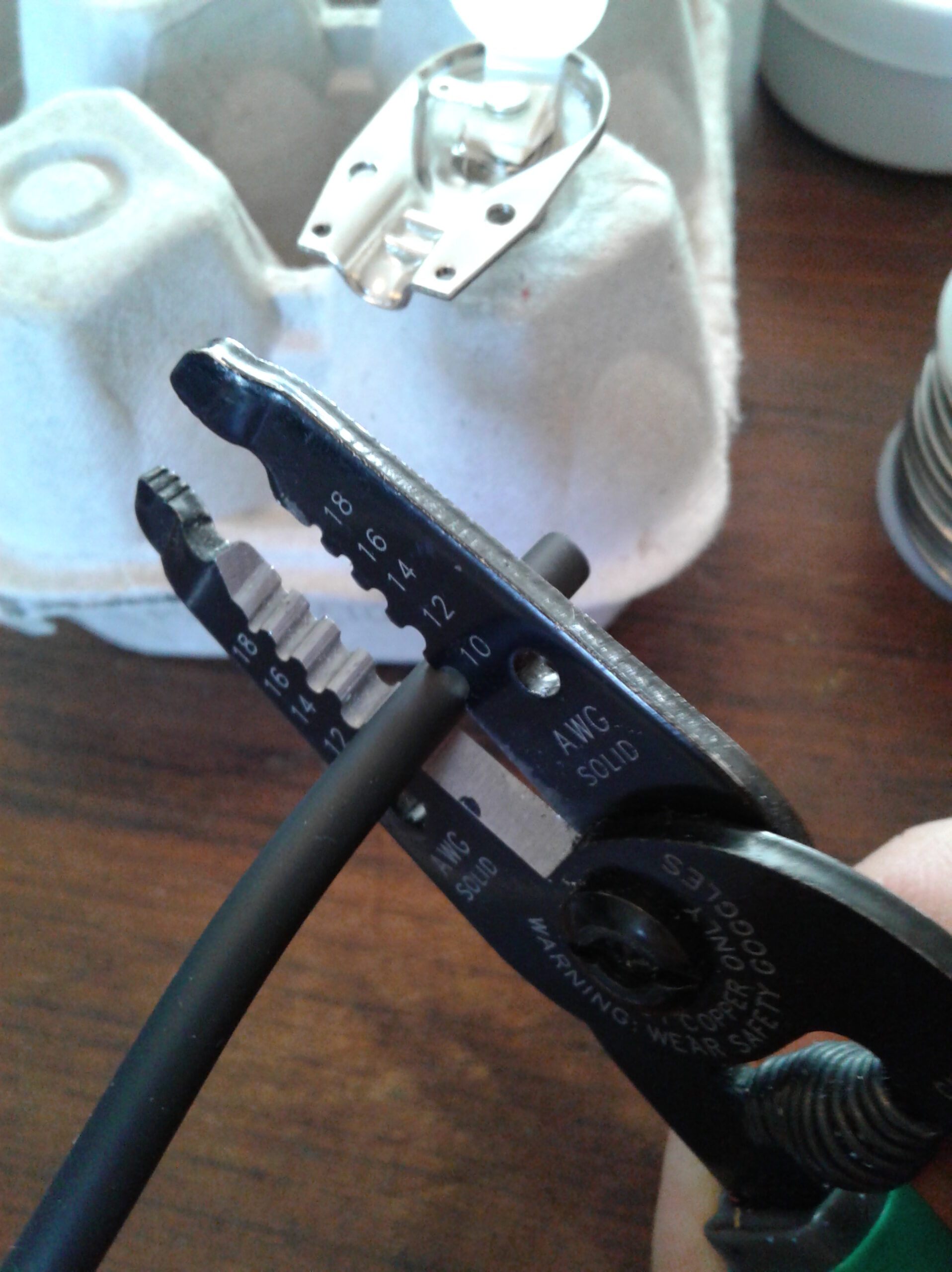
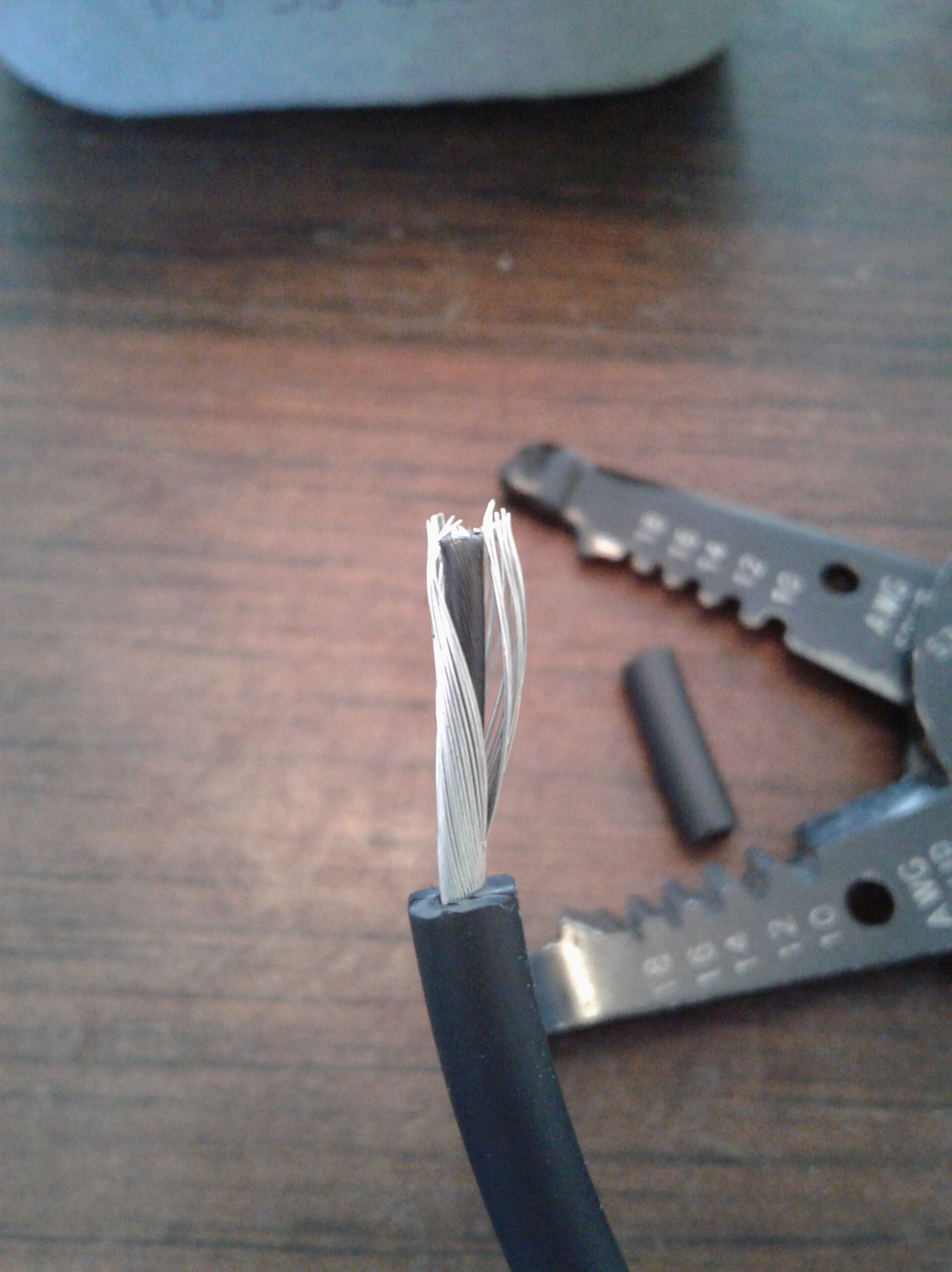
    Step 1: Strip the Cable
    Step 2: Pull Off Rubber Jacket
    Step 3: Twist Ground

    Next you will repeat the process by stripping back the inner layer of the cable. In almost every case you shouldn’t have to strip this section back as far as the outer layer, and in fact it’s better if you don’t so the two layers of wire don’t come into contact. I often only do about a quarter inch on the inner layer. Sometimes you will also need to trim the inner layer to a different length depending on where it attaches to. Once you strip that back you can twist the inner strands together as well.
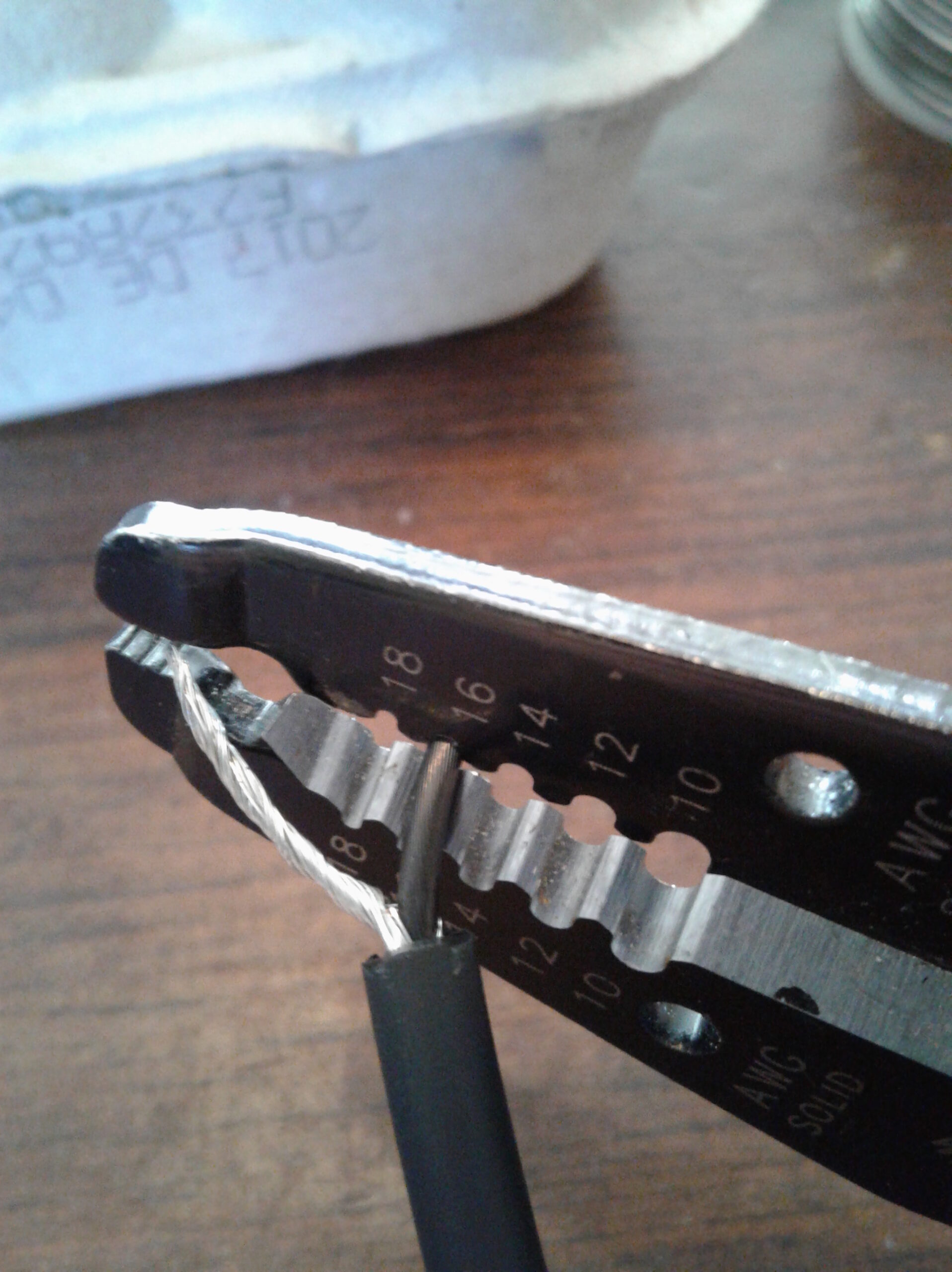
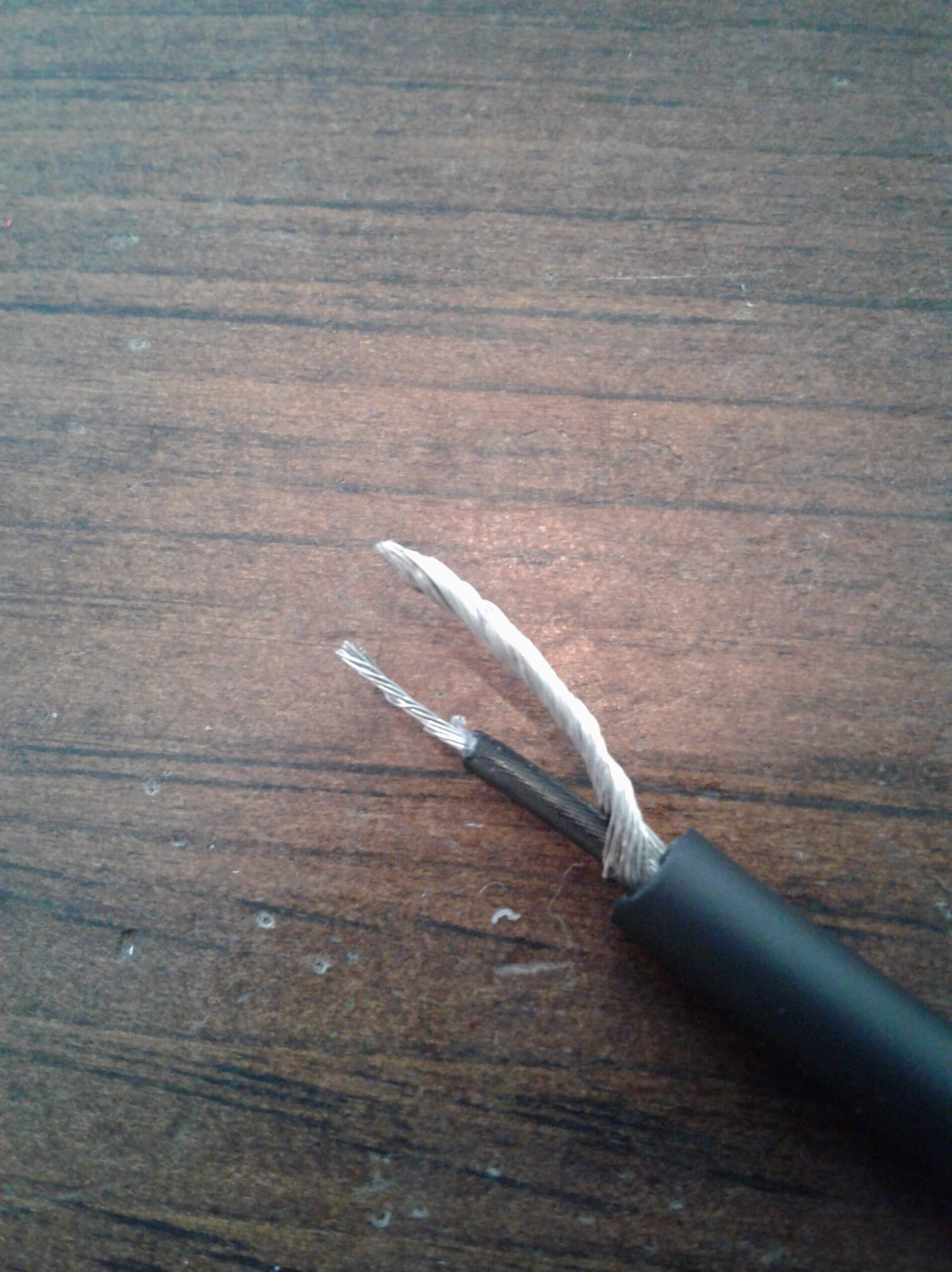
    Step 4: Strip Inner Wire
    Step 5: Twist Inner Wire

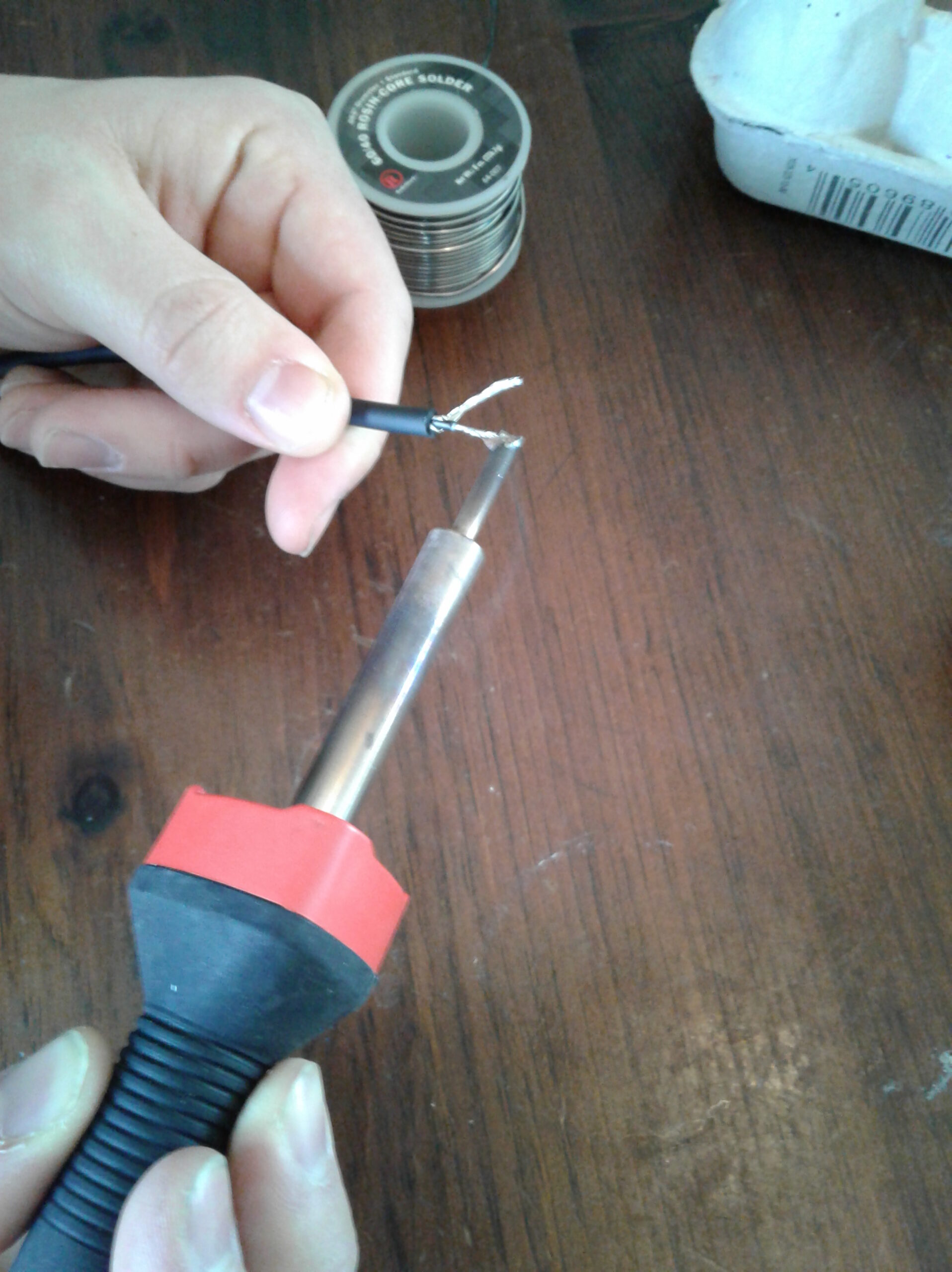
    After your cable has been stripped and you’ve twisted the wires into two strands (outer and inner) it is time to tin the wire. Tinning is a process where you lightly coat the wire with some solder to make it easier to get a good solder connection to the plug. It also helps hold all those little wire strands together. You may find it helpful to bend your solder wire up so it’s sticking up in the air from the spool, this way it’s accessible for you without needing another hand.(solder spool bend picture) Now is where the soldering iron comes in. Take your hot soldering iron and touch it to the end of your solder, the solder should travel over to the iron (it likes to follow heat). (solder to solder gun picture) Now take your iron and touch it to the wires that you have prepared to give them a light coat of solder. You will need to move the iron tip along the wire to get the solder to spread. (tinning picture) Another method to tin the wire is to touch the solder wire to the cable and then touch the cable to the soldering iron. With this method the heat from the iron will draw the solder onto the cable. When you are done tinning you will see that your wire is shiny and that all the little strands are now sealed within the solder.

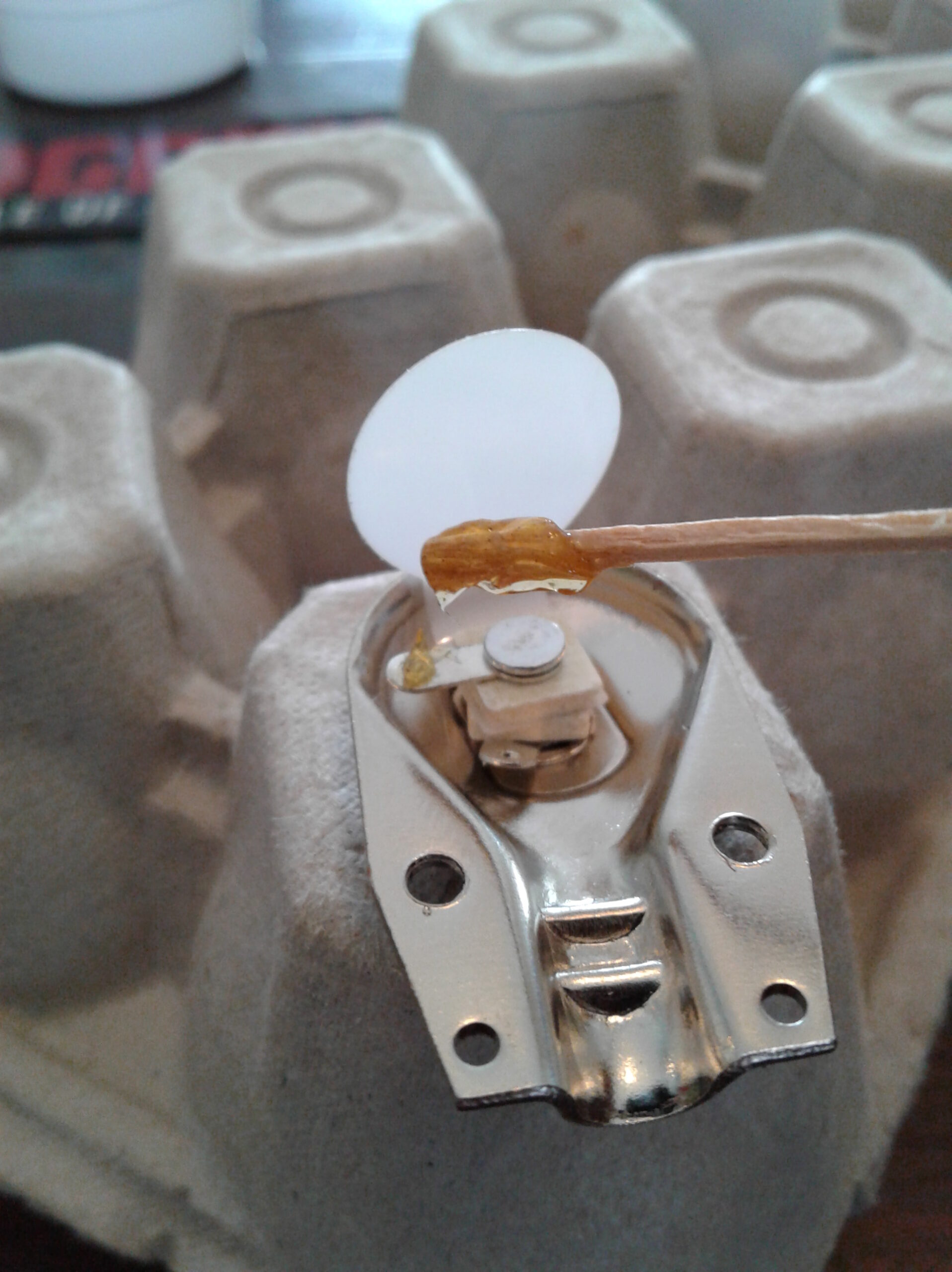
    The last step in the prep is to ready your plug for solder. If you haven’t opened it up already, go ahead and do that. I usually take a bit of Flux and apply it to each of the two terminals on the plug. Now you’re ready! (flux picture)

    Connecting the Cable to the Plug

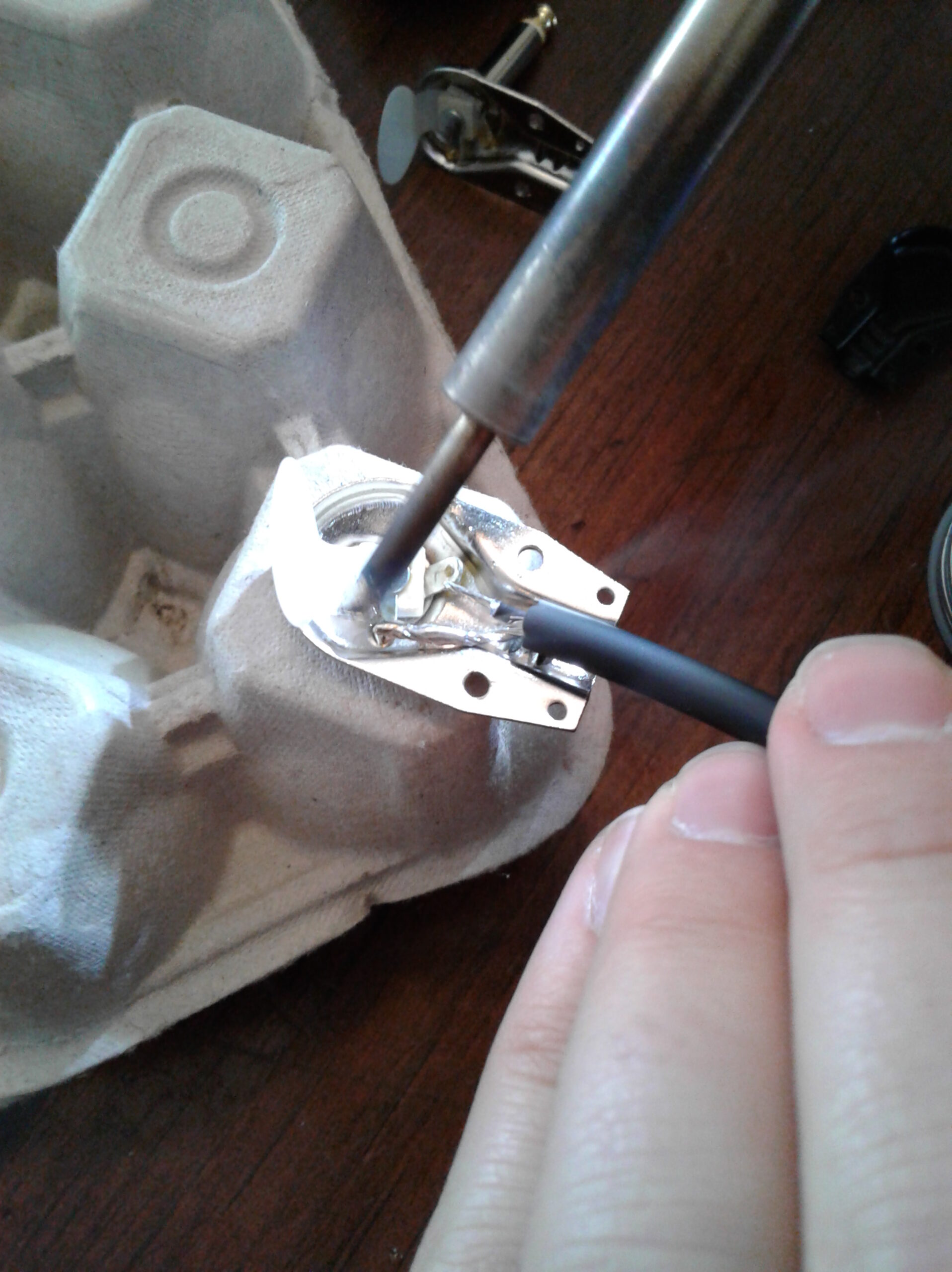
    Now that your prep work is done it’s time to connect the ground and hot center wires to their respective terminals on the plug. This is a simple and quick process. Double check that your cable ends match up well with the terminals on the plug. I find it helpful to use something like an old egg carton to hold my plug for this, as you’ll see in some of my photos.
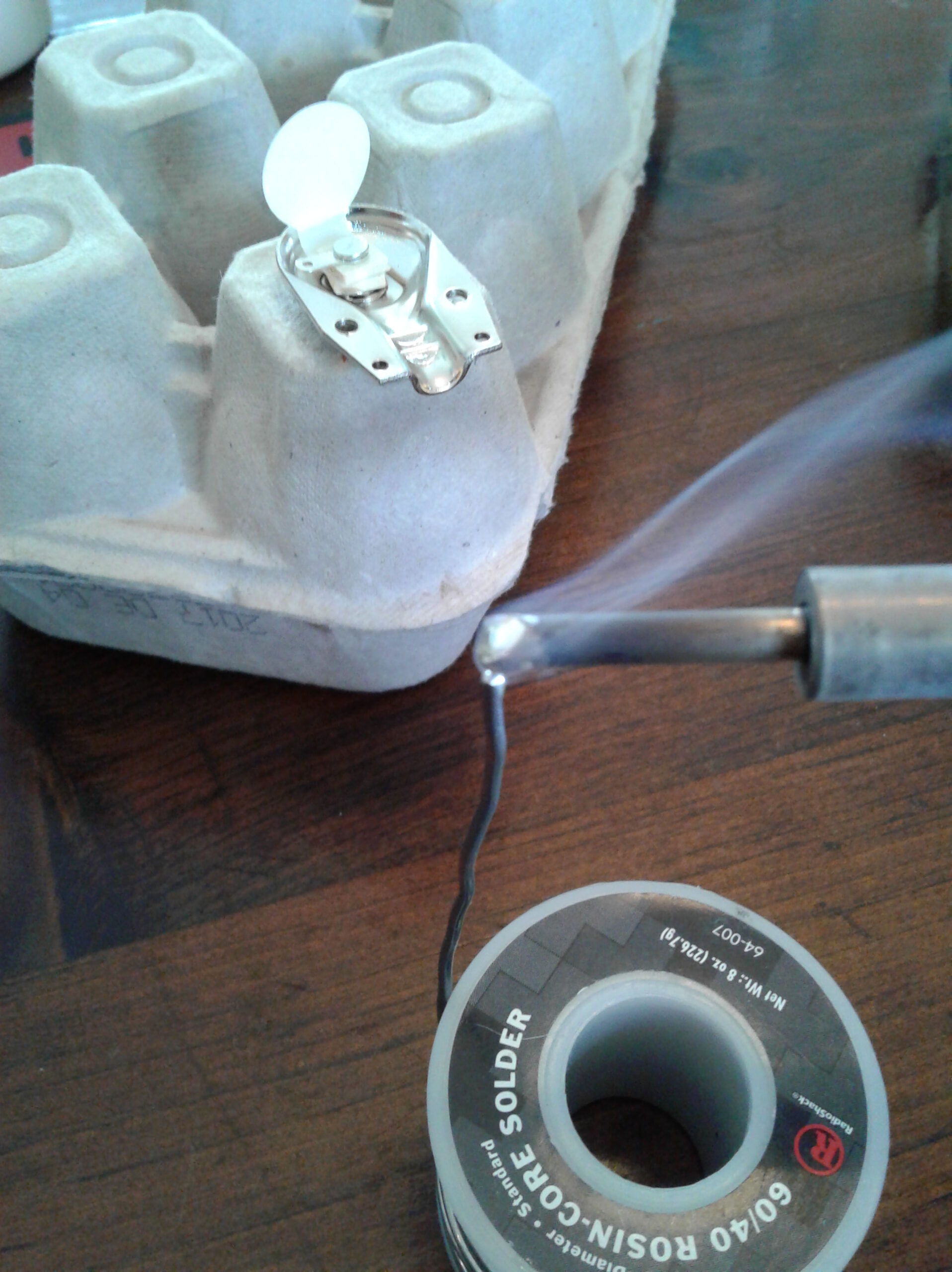
    Now touch the tip of your soldering iron to your solder wire, allowing the solder to transfer onto the iron. Then, place your patch cable wire ends on each of the respective terminals (outer ground wire on the ground terminal and inner hot wire on its terminal) and apply the tip of your soldering iron to one of the wires and it’s terminal simultaneously. Soldering pic It should only take a couple of seconds for the solder to move off of the iron onto the terminal and to create a nice little dab of solder to hold the wire to the terminal. Repeat this step for the second wire and terminal. Give your plug a little time to cool before handing (typically only 30 seconds or so is needed as the solder cools quickly).

    Hey, you did it! At this point it’s your choice if you want to slide some heat shrink on the wire or not. If you want heat shrink make sure you slide it on now before cutting and preparing the second end of your cable. You can repeat the steps above for the other end of your cable and once you are done you will have completed your very own patch cable!

    As a note I recommend cleaning off the soldering iron tip between each step by wiping it on your damp sponge or wire cleaner. I typically clean it after tinning and again after connecting the wires to their terminals.

    Conclusion

    I hope this has helped you out and that you’ve been able to learn something. As I’ve mentioned before, learning to solder has saved me all kinds of money over the last few years. I can custom wire an entire pedalboard in an evening. I can fix up or swap out a faulty switch or pot on a guitar in just a few minutes. It’s a handy skill to have and I’ve found that the minimal investment of a decent soldering iron and tools has well paid for itself over time.


    Demo
    bannerfeatured diy how to patch cables soldering
    Share. Facebook Twitter Pinterest LinkedIn Tumblr Email
    Daniel Mutter
    • Instagram

    Daniel is a worship guitarist and worship director in Ontario, Canada.

    Related Posts

    3 Tips and Tricks for Learning to Play with Tracks and In-Ears

    January 23, 2023

    JET Pedals Releases The Red Sea

    November 13, 2022

    Gretsch G5622T Electromatic Center Block Double-Cut Electric Guitar Review

    February 8, 2022

    Staff Pick: RJM Music Mastermind PBC

    August 9, 2021
    Add A Comment

    Leave A Reply Cancel Reply

    Stay in the Loop

    Signup for our monthly newsletter and stay up to date on the latest worship guitar news, resources, gear and more.

    Editors Picks

    Worship Leader’s Review: Alclair Tour Triple Driver In Ear Monitors

    January 29, 2018

    5 Tips for Building Comradery on Your Team

    August 9, 2017

    Simple vs. Complex: My Experience with Analog & Digital Delays

    February 21, 2017

    The Nightmare Before Christmas (Worship)

    December 1, 2016
    Top Reviews
    Advertisement
    Demo
    Facebook Twitter Instagram YouTube
    • Our Story
    • Stay in the Loop
    • Contact Us
    • Advertise
    • Write for Us
    © 2023 ThemeCreate. Designed by ThemeCreate.

    Type above and press Enter to search. Press Esc to cancel.